Publication date:
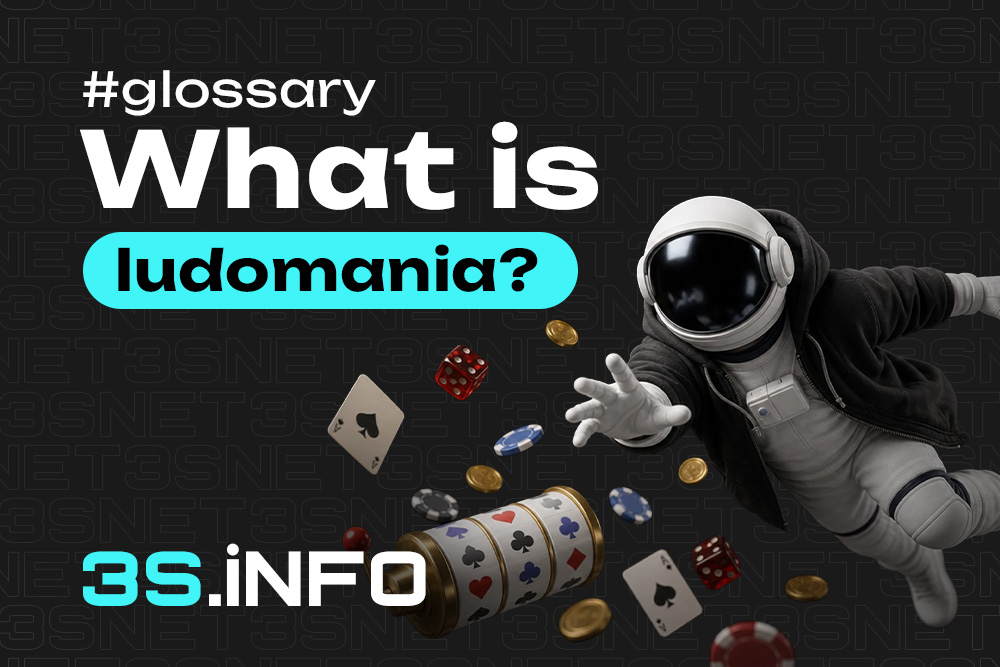
What Is Ludomania (Problem Gambling)?
Ludomania — also known as problem gambling or compulsive gambling — is a pathological addiction to gambling. The term blends the Latin word ludus ("game") with the Greek mania ("madness"), together describing a state in which a person loses control over their actions and becomes fully consumed by the urge to gamble.
This is a serious psychological disorder that can have devastating consequences for a person's health and life. It's marked by an irresistible urge to keep gambling despite the negative fallout it causes — financial, personal, or otherwise.
People struggling with ludomania chase the excitement and satisfaction that comes with gambling, often spending long stretches of time at casinos, on slot machines, at online casinos, or placing sports bets. Many risk large sums of money in the hope of winning back what they've already lost.
Ludomania is a recognized mental health disorder and requires professional treatment.
How are overly gambling customers protected?
In sports betting, there is such a thing as 'responsible gaming'. Responsible gaming in betting companies is necessary to ensure the safety and protection of players' interests. It helps to prevent possible problems related to gambling addiction, financial difficulties and negative consequences of gambling.
Read more about what is responsible gambling and how is it implemented in BC?
There are various measures and restrictions in casinos aimed at responsible gambling and helping addicts avoid financial ruin. Here are some examples of such measures:
- Betting limits: the casino may set limits on the maximum bet size to prevent players from losing too much. This helps addicts to control their spending and avoid financial difficulties.
- Limits on playing time: the casino may set limits on the amount of time a player spends at the gaming table or slot machines. This helps prevent excessive gambling and protects the player from possible addiction.
- Self-exclusion: casinos offer self-exclusion schemes allowing players to temporarily or permanently exclude themselves from the game. This provides an opportunity for the addict to take a break, re-evaluate their gambling habits, and get help if needed.
- Warning messages: the casino can provide information about playing times, costs and potential risks through warning messages. This helps players to be aware of their actions and control their play.
- Education and counselling: the casino may offer education and counselling on responsible gambling. Gambling addicts can receive information on the signs of a problem gambling behaviour as well as self-control and help techniques.