
How to Become a Media Buyer?

Full guide to traffic arbitrage: training, tools, budget, first steps. Avoid beginner mistakes and start earning with CPA.

Last Updated: 2 april 2026

Media buying has long ceased to be an “underground story for the elite” and has turned into a normal digital profession with clear skills, tools, and career growth. At the same time, the entry barrier is still relatively low: all you need is a laptop, internet, basic marketing knowledge, and a willingness to burn not only your budget but also a few nerves.

Media buying is one of the most dynamic ways to make money online. It involves buying advertising at one price and reselling it to an advertiser at a higher price. In simple terms: you buy visitors (e.g., for 10 rubles), bring them to a casino, bank, or store website, and the advertiser pays you much more (e.g., 100 rubles) for a targeted action (registration, deposit, purchase).

The market in 2026 remains highly competitive, especially in the iGaming vertical (casino, betting), but this is precisely where the highest margins are.

What Is Media Buying and Why Is It Profitable?

The essence of the profession. Media buying is when you buy traffic for less than you receive for a targeted action (registration, deposit, purchase, application, etc.).

1 of 4
  • Simplified
    • you bring users at a cost of 5;
    • the advertiser pays you 10 per targeted action;
    • the difference (minus expenses) is your profit.
    Read more
  • A media buyer
    • selects offers (propositions from advertisers/CPA networks);
    • buys traffic from sources (ads on social media, search engines, teaser networks, etc.);
    • tests combinations of “offer + creative + GEO + source”;
    • cuts losses and scales wins.
    Read more
  • Types of media buying (white/gray)
    • White — working within platform rules and legislation: white e‑commerce, finance, games, subscriptions, legal iGaming, nutra where permitted.
    • Gray — aggressive or controversial schemes: clickbait, exaggerated promises, circumventing moderation, controversial verticals and GEOs. Risks are higher, but the potential margin is often greater as well.

    In practice, most teams balance on the spectrum between white and gray, choosing their own risk zone.

    Read more
  • Real Earnings of Beginners and Pros
    • Beginners often either break even or lose part of their budget in the first few months. This is the “tuition fee.”
    • A confident middle can earn anywhere from a comfortable middle-specialist level in digital to very high amounts, depending on volume and model.
    • Pros/team leads/team owners can operate with five to six figures per month, but at the same time bear corresponding risk. You can earn a lot, or you can burn through budgets into the red.

    Key point: media buying is not a fixed salary, but an entrepreneurial model with volatile income.

    Read more

What You Need to Know Before Starting?

1 of 3
  • Basic Metrics & Terms

    Minimum set:

    • CTR (Click‑Through Rate): creative’s clickability.
    • CPC (Cost Per Click): price per click.
    • CPM (Cost Per Mille): price per thousand impressions.
    • CR (Conversion Rate): conversion to targeted action.
    • CPA (Cost Per Action): cost per targeted action.
    • ROI/ROAS: return on investment / return on ad spend.
    • EPC: Earnings Per Click.

    Without understanding these numbers, media buying turns into a lottery.

    Read more
  • Verticals & Offers

    Vertical is the thematic category of an offer:

    • iGaming/Betting. Pros: highest payouts (hundreds of dollars per FTD — first-time deposit), high LTV. Cons: extreme competition, moderation challenges on Facebook and Google (mass account bans), requires trackers and proxies. Top GEOs 2026: Indonesia, Brazil, Africa, Turkey.
    • Nutra;
    • Dating;
    • Finance;
    • E‑commerce;
    • Apps/Utilities.

    An offer is a specific proposition, such as “casino deposit”, “credit card application”, “course purchase”, “app installation with subscription”.

    Each vertical has its own logic, restrictions, GEOs, and approaches to creatives.

    Read more
  • Traffic Sources

    Main:

    • Social networks (Meta*, TikTok, Twitter/X, local networks);
    • Search advertising (Google, Bing, local search engines);
    • Native ad networks, teaser networks;
    • Push/pop networks;
    • In-app advertising, DSP, ad networks;
    • Organic (SEO, content, Telegram, etc. — a mix of media buying and affiliate marketing).

    Each traffic source requires its own set of skills and rules of the game.

    Read more

Step-by-Step Learning Plan for Media Buying

Step 1. Free Self-Education

  • Articles, blogs, YouTube, podcasts on media buying and performance marketing.
  • Official guides from advertising platforms (Facebook*, Google Ads, etc.).
  • Case studies (important to filter out «info-fairy tales» from real stories with numbers).

Goal: Understand the basics and choose which vertical / traffic source you’d like to start with.

Step 2. Paid Courses (Are They Necessary?)

Paid courses can be useful if:

  • They are not a magic button, but a structured program with practical assignments, feedback, and access to a community;
  • The authors themselves run a working business or teams, not just sell training.

They are not mandatory if you are disciplined, can structure information on your own, and are ready to invest more in testing than in theory.

Step 3. Mentorship and Community

  • Find a live community: chats, forums, closed clubs, and media buying groups.
  • Ideally, get under the wing of a more experienced media buyer or team: you sacrifice part of your margin, but save months and thousands by avoiding typical mistakes.

Step 4. Practice with Test Campaigns

  • Launch small tests with a controlled budget.
  • Learn from your own data, not someone else’s screenshots.
  • Keep records: which combinations worked, where and why you went negative, and what can be optimized.

What Tools Does a Media Buyer Need? 

Trackers (Keitaro, Binom, and a full list of convenient services).

Learn more about how trackers and TDS work in iGaming in 2026.

Trackers are needed for:

  • Tracking sources, placements, and creatives;
  • Split testing of landing pages and traffic flows;
  • Analytics by segments (GEO, placements, devices, OS).

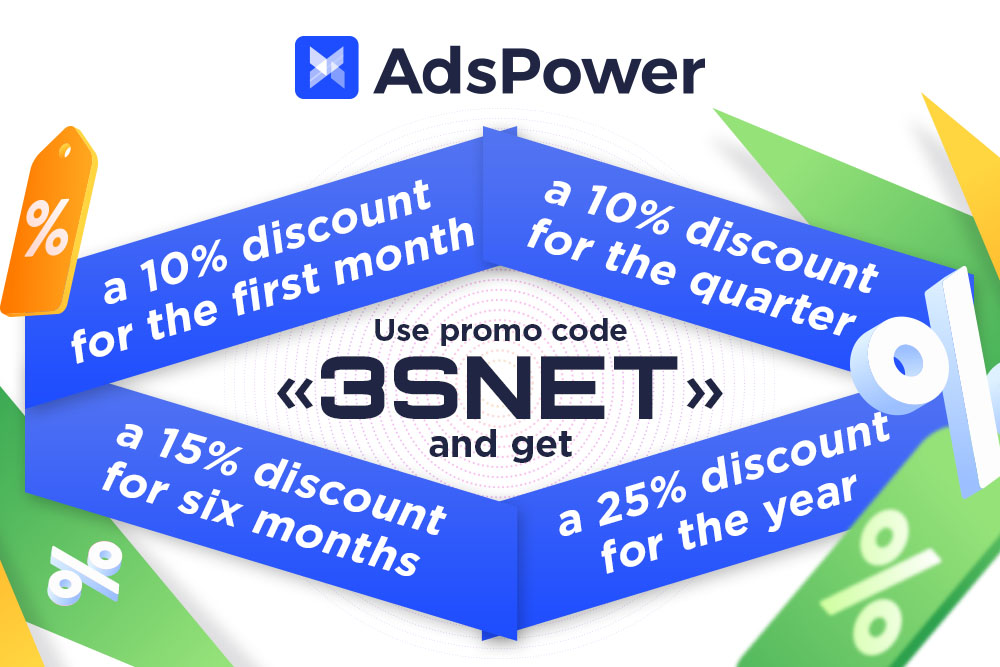
Working blind without a tracker is only acceptable at the most primitive level. You can connect trackers using a promo code from 3S.INFO.

Spy Services (Choose the Best: Complete List)

Allow you to see what creatives and landing pages other affiliates are running:

  • Gather ideas and approaches;
  • Understand what’s currently working in your vertical/GEO;
  • Avoid reinventing the wheel from scratch.

Important: These are not a success button, but simply a source of inspiration and benchmarks. It’s convenient to try a service for free or with a discount using a promo code. 

Creatives and Landing Pages

  • Creatives (banners, videos, texts): these are the elements that grab the user’s attention.
  • Landing pages: these are what convert the user into taking the desired action.

A Media Buyer Should Be Able To:

  • Write technical specifications for designers/copywriters or work with ready-made templates;
  • Understand which triggers work in a specific vertical and GEO.

Analytics

Minimum:

  • Source analytics (ad account statistics);
  • Tracker;
  • Spreadsheets (Google Sheets, Excel) for campaign accounting.

Next level: BI tools, dashboards, automation. But this is already the domain of teams and advanced solo players.

Starting Budget and Its Allocation

1 of 3
  • Minimum Budget

    The minimum budget depends on the traffic source and vertical, but a reasonable starting point (for real tests, not just “three clicks”) is:

    • The cheaper the traffic (push/pop, certain teaser networks), the lower the entry threshold;
    • For popular sources (Meta, Google, TikTok), it’s better to plan a budget that allows for at least 10–20 meaningful tests.

    Important: The budget should be money you are mentally prepared to part with as an educational investment.

    Read more
  • How Not to Waste Money
    • Don’t jump into complex/expensive verticals without experience.
    • Don’t spread yourself too thin: stick to one traffic source, one vertical, and 1–2 GEOs at the start.
    • Don’t scale campaigns that haven’t shown stable profitability on small volumes.
    • Keep detailed records and ruthlessly cut unprofitable combinations.
    Read more
  • Where to Get Start-Up Capital
    • Personal savings (the healthiest option).
    • Employment in a related field (media buyer/affiliate manager) and gradually testing your own hypotheses.
    • Partnership: you provide the effort, someone else provides the funds (but only with clear agreements and transparent accounting).
    Read more

First Launches: Media Buyer’s Checklist

1 of 4
  • Choosing a Vertical
    • Assess your moral and legal boundaries.
    • Look at the competition and offer availability in CPA networks.
    • For a start, it’s more logical to choose clearer and less hot verticals.
    Read more
  • Campaign Setup
    Read more
  • Analyzing Results
    • Don’t draw conclusions based on the first 10 clicks.
    • Compare combinations against each other, not just good or bad overall.
    • Calculate not only CR, but also final CPA and ROI.
    Read more
  • Scaling
    • If the combination is stable → carefully increase the budget, expand placements/GEOs, add new creatives.
    • Monitor how increasing volume affects price and quality — every combination has its ceiling.
    Read more

Typical Beginner Mistakes

  • Expectation of “quick millions” and working without a plan.
  • Ignoring the math: no tracking, campaign accounting, or real margin calculation.
  • Starting in multiple verticals and sources at once → loss of focus.
  • Total dependence on others’ opinions and ready-made combinations without understanding how and why they work.
  • Psychological unpreparedness for drawdowns: panic after initial losses instead of analysis.

Important Warnings (2026–2027)

  • Compliance and laws: the industry has become stricter. Europe is tightening responsible gaming (RG) rules, identification requirements (KYC), and advertising standards.
  • If you’re running traffic to Europe, creatives must be completely honest, with no promises of “get rich quick”, or you risk fines and bans.
  • Traffic quality: CPA networks in 2026 are actively filtering out media buyers with low-quality leads (bonus hunters, fraud). Learn to do proper warming up, not just spamming direct links.
  • Education: information becomes outdated within a month. The best way to learn is networking at conferences (e.g., ICE Barcelona) and following case studies in dedicated Telegram channels and forums.

*Meta Corporation has been recognized as extremist in Russia. Its social network Facebook is blocked by court order.

It is possible to become a media buyer, but it requires time, a testing budget, and nerves of steel. Start by studying the terminology, choose a vertical to enter, register with a reliable CPA network, and learn how to work with trackers. Remember: 80% of beginners lose their first budget, but if you can analyze mistakes instead of just “buying luck,” you’ll quickly join the ranks of those for whom media buying is a highly profitable profession, not a lottery.

FAQ

How much money do you need to start in media buying?

There is no strict number: some people learn on small budgets in cheap traffic sources, while others go in with larger sums right away. The most important thing is that these are free funds, losing them should not ruin your life.

Can you become a media buyer without technical skills?

Yes. To get started, a basic understanding of ad platforms and a willingness to learn along the way are enough. Deep technical expertise is only needed at the level of automation and large-scale operations.

How long does it take to learn media buying?

The first results can be seen after 2–3 months of active practice. To achieve stable profitability and understand your vertical and traffic sources, it often takes 6–12 months.


What verticals are best for beginners in media buying?

Generally, those that are less regulated and easier to understand: simple e-commerce offers, app installs, and legal lead-generation offers. Complex or heavily regulated verticals are better left for later.

Is media buying legal?

Media buying itself is simply an advertising business model. The question of legality depends on which offers you promote, which GEOs you target, and whether you comply with laws and platform rules.

Do you need to register as a sole proprietor for media buying?

If you plan to earn a stable income, work with legal entities, and withdraw significant amounts, registering a legal status (a sole proprietor or its equivalent in your country) is usually reasonable: both from a tax perspective and for building trust with partners. Many beginners operate as individuals during initial tests, but it’s better to address the legal side as early as possible.

Author with 20 years of experience. I cover everything about iGaming, traffic sources, regulation, and tools—clearly, in detail, and in...
122 articles
Author profile
Did you like the article?

Share it with your friends via favorite social media

Read more

In recent years, the prediction market has evolved from an exotic tool for political scientists …

The format of participation affects which contacts you’ll gain and how communication will take place …

The iGaming media buying market has been undergoing a fundamental transformation over the past two …

Demand for specialists in iGaming and affiliate marketing is growing faster than the market can …

In 2026, the iGaming and betting market is experiencing another wave of growth. Revenues are …

Internet access under restrictions is a complex and multi‑layered issue. Restrictions can range from targeted …

PWA in 2026: Update and Real Arbitrage Cases In 2025, Progressive Web Apps (PWA) already …

When you have dozens or hundreds of affiliates across different GEOs, manual payouts via online …

A timely payout for an affiliate isn’t just “nice to have,” it’s a matter of …

Payments are the nervous system of CPA and iGaming. The moment money gets stuck in …