Publication date:
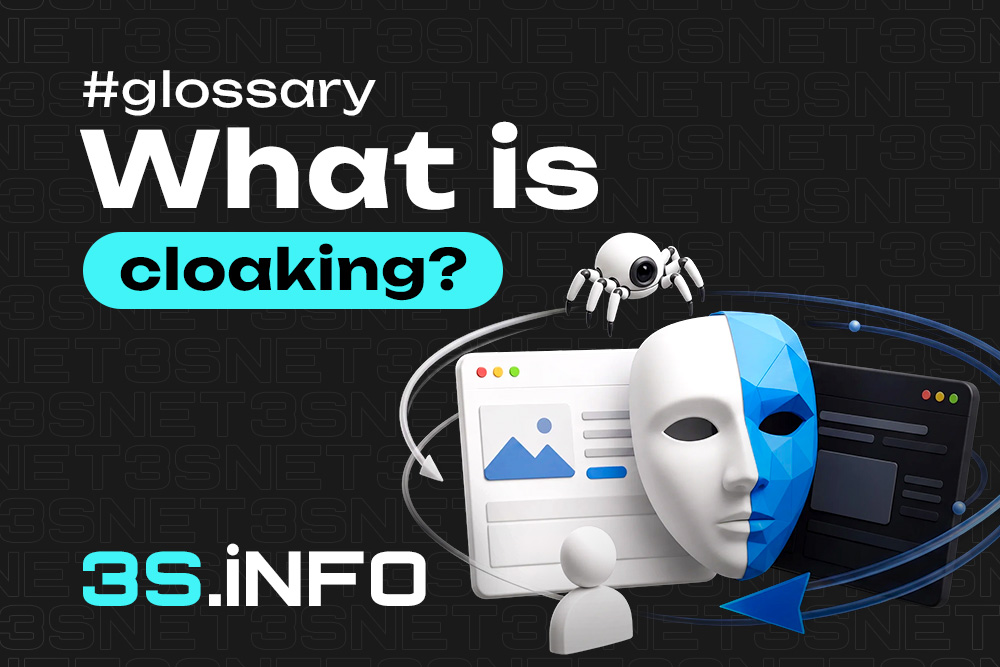
Cloaking is a technology that delivers different versions of content to different categories of visitors at the same URL. Depending on the request and the rules applied by the system, one version of a page may be shown to a user while another is delivered to an automated system, crawler or review service.
In affiliate marketing and paid traffic, the term is often used in the context of advertising campaigns where different versions of a landing page may be shown to different types of visitors. Cloaking is particularly relevant in highly restricted verticals such as online casino and gambling offers and sports betting offers.
It is important, however, to distinguish ordinary content adaptation from cloaking intended to hide the actual content of a destination from an advertising platform. For example, Google Ads allows certain differences based on language, geography or connection speed as long as the promoted product or service remains the same, while it prohibits cloaking used to circumvent its advertising policies.
Why Cloaking Is Used
The purpose of cloaking depends on the advertising source, technical infrastructure and specific task. In affiliate marketing, the technology may be used for:
- Serving different content versions. Different visitor groups can receive different versions of a page based on request parameters and predefined rules.
- Handling advertising traffic. Cloaking can be part of an infrastructure that determines which version of a page should be delivered to a particular visitor.
- Filtering specific types of requests. Some solutions allow traffic systems to apply predefined rules to selected categories of requests.
- Hiding the actual promoted content. In traffic arbitrage, cloaking is often used to describe setups where a review system receives one page while the target audience receives another. If this is done to circumvent an advertising platform's rules, it can result in rejected ads or account restrictions.
The term therefore describes a technical approach to serving different content, while the consequences depend on how, where and why the technology is used.
How Cloaking Works Technically
A classic cloaking setup involves multiple versions of a page and a system that determines which version should be returned for a particular request.
White Page and Black Page
In affiliate marketing, the terms white page and black page are commonly used.
White page is a version of a page intended for a specific visitor category within a given cloaking setup. In the classic scenario, it is a neutral page delivered to review systems or other predefined request categories.
Black page is the version containing the main promoted offer that is delivered to the target audience within the same setup.
White page and black page are not universal technical standards. Their implementation depends on the cloaking service and its configuration.
How the Page Version Is Determined
A cloaking system analyzes available information about an incoming request and uses it to determine which version of the content should be returned. The exact signals depend on the solution and may include technical connection data, device characteristics, traffic source and other information.
With server-side cloaking, the decision is made before the response is sent to the client. With a client-side implementation, part of the logic is executed in the browser using JavaScript.
The technology does not guarantee that every visitor will always be classified correctly. Filtering errors can result in the wrong page version being delivered, affecting user experience, conversion rates and analytics.
Types of Cloaking
The main difference between cloaking implementations is where the decision about the page version is made.
- Server-side cloaking - the decision is made on the server before the response is generated. The browser receives the selected version of the content.
- JS cloaking - the page-version logic is executed on the client side using JavaScript. The exact implementation depends on the solution.
These approaches can differ in performance, architecture and infrastructure requirements. The appropriate implementation therefore depends on the specific task and technical stack.
Cloaking and Trackers
Cloaking services can work alongside trackers used for advertising traffic analytics and management and TDS solutions. However, these tools serve different purposes.
Cloaking determines which version of the content should be delivered to a particular request.
A tracker is used to record clicks, attribute conversions and analyze advertising traffic.
A TDS can be used to route incoming traffic between different destinations according to predefined rules.
These tools can be integrated within the same infrastructure, but they are not interchangeable. Their exact capabilities depend on the services and integrations being used.
Among the specialized solutions for cloaking and traffic filtering featured on 3S.INFO are Cloaking.House for traffic protection and campaign management, Adspect for cloaking, traffic filtering, and campaign protection and Kaminari for analyzing and filtering advertising traffic.
Risks and Limitations of Cloaking
The main risk is not the technical ability to serve different content versions itself, but how and where the technology is used.
Violating Advertising Platform Rules. If different page versions are used to hide content that violates an advertising platform's policies, the practice may be treated as an attempt to circumvent the platform's review system.
For example, Google Ads explicitly prohibits cloaking under its Circumventing Systems policy when it is used to hide content that violates advertising rules. Such violations can result in account suspension.
Having cloaking technology in a technical stack therefore does not mean it can be used for any advertising campaign.
Filtering Errors. Incorrectly configured logic can send part of the actual audience to the wrong page version. This can affect user experience, conversion rates and the accuracy of campaign analytics.
Additional Costs. Cloaking solutions may require a paid service, additional infrastructure and ongoing configuration and maintenance. These expenses should be included when calculating campaign economics.
Legal and Regulatory Risks. For gambling and betting, requirements depend not only on the advertising platform but also on the target GEO, licensing and applicable legislation. Cloaking does not remove requirements concerning advertising content, operator licensing or promotion rules.
How to Choose a Cloaking Service
If cloaking is used as part of permitted advertising infrastructure, consider the following when evaluating a service:
- Architecture and processing speed. Additional processing time can affect user experience and conversion rates.
- Compatibility with the existing stack. Check integration with your tracker, TDS, traffic sources and other infrastructure components.
- Up-to-date technical data and rules. If the service relies on technical databases or other external data, consider how frequently they are updated.
- Documentation and support. This becomes particularly important when integrating the service into an existing advertising infrastructure.
- Transparent terms. Check pricing, limits, restrictions and available features before connecting the service.
Common Cloaking Mistakes
- Using the same setup across different advertising sources. Platforms have different requirements and technical environments, so a configuration that works for one source may not work for another.
- Failing to test different page versions. Errors in the delivery logic can result in the wrong content being shown to part of the audience.
- Ignoring updates to technical rules. Changes made by an advertising platform or service provider can affect an existing configuration.
- Leaving infrastructure costs out of campaign economics. Expenses for cloaking, trackers, domains and other services should be included when evaluating a campaign.
- Confusing cloaking with tracking. Cloaking determines which content version is served, while a tracker records and analyzes advertising traffic. The two functions can exist within the same infrastructure but are not the same thing.
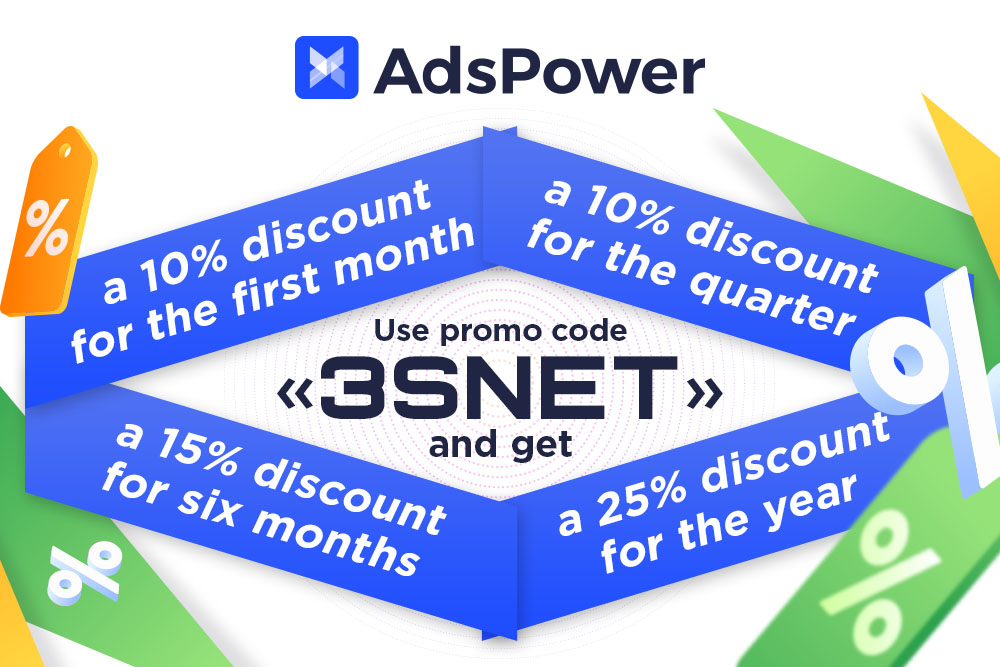
Current offers for cloaking services and traffic-management solutions are collected in the 3S.INFO promo code section. Offers for specific GEOs are available after registering with the 3SNET CPA network.