Publication date:
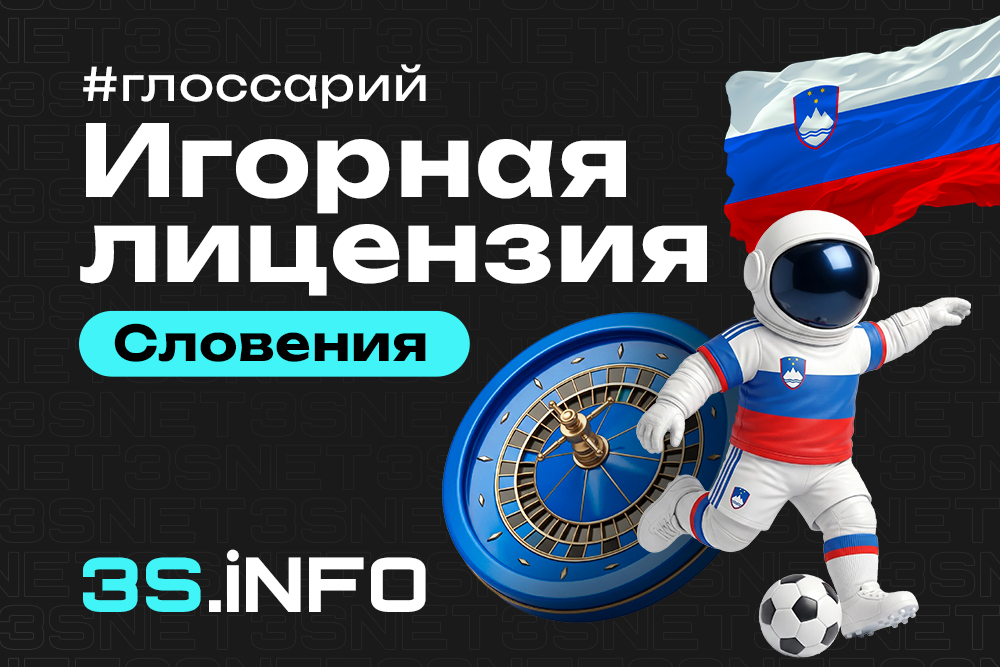
Slovenia Gambling License (Gambling License Slovenia | Slovenia Betting License Requirements) is a state concession that grants the right to operate a bookmaking business, manage casinos, and launch online gambling in Slovenia. Unlike Bulgaria or Malta, there is no open licensing system here. The market is restricted, and access to it is controlled by the state. The primary regulatory act is the Zakon o igrah na srečo (Gambling Act) in Slovenia, with supervisory functions distributed between the Ministry of Finance and the Financial Administration of the Republic of Slovenia (FURS). Online gambling is legal, but in practice it is only accessible to existing operators that already hold a land‑based concession.
- For more information on the iGaming market in Slovenia, practical cases for media buying, and local traffic specifics, read the article: iGaming Overview of Slovenia: Prospects, Licensing, Top Traffic Channels.
The information is current as of May 2026. It is recommended to consult with local lawyers before launching a project.
Amendments to the Slovenian Gambling Law 2024–2026
The Slovenian regulatory model has not become more open in recent years. On the contrary, the state has consistently strengthened control and maintained restricted access to the market. The Gambling Act still enshrines the concession principle: the right to operate is granted not to anyone who wishes, but only to companies approved at the state level.
The main focus of the changes has shifted toward business transparency and transaction control. Operators are required to disclose their ownership structure, verify the origin of funds, and provide regulators with access to betting and transaction data. At the same time, measures against illegal operators are being strengthened. Website blocking and payment restrictions are becoming more widespread.
As a result, the market remains stable but closed. The number of operators hardly changes, and new licenses are issued extremely rarely.
Concession Requirements for Operators in Slovenia
Obtaining a concession is only possible for companies registered in Slovenia with a physical presence in the country. The regulator evaluates not only legal parameters but also financial stability, transparency of the ownership structure and compliance with AML requirements.
Key requirements for the applicant:
- Company registration in Slovenia;
- Physical office and operational presence;
- Verified source of funds;
- Clean business reputation;
- Readiness for technical integration with the regulator.
However, even full compliance with the requirements does not guarantee obtaining a license. The final decision is of a political and administrative nature.
Slovenia Concession Types: Bookmakers, Casinos, Lotteries
| Type of Activity | Type of Authorization | Term | Key Features |
| Sports betting | Concession | Determined by contract | Limited number of operators |
| Online casino | Concession | Individual | Available only to land‑based operators |
| Land‑based casinos | Concession | Long‑term | High entry barrier |
| Slot machines | Concession | Long‑term | Strict control |
| Lotteries | Concession | Long‑term | Effective monopoly |
Separate licenses for poker or online products do not exist. They are included within already issued concessions. This is yet another restriction that makes market entry more difficult.
Prohibited Types of Activities
Any operation without a concession is considered illegal and leads to website blocking and sanctions. Financial betting is not regulated and is effectively not permitted. Crypto betting is not directly prohibited, but AML requirements make it extremely difficult to implement in practice.
Gambling Taxes and Concession Costs in Slovenia
The tax model in Slovenia is relatively moderate, but it is not a key factor when deciding to enter the market. The main barrier is access to the license itself. For an explanation of Gross Gaming Revenue (GGR) and how it is calculated, read our separate article.
| Parameter | Value | Terms and Conditions |
| Tax on GGR | Approximately 5% | Depends on game type, paid monthly |
| Tax on winnings | 15% (above €300) | Withheld by the operator at payout |
| Concession fees | Individual | Set in the contract, paid annually |
| VAT | Not applicable | Exemption for gambling |
Financial conditions are determined not only by law but also by the specific concession agreement, which makes the project economics individual for each operator.
Technical Requirements for Software and Servers in Slovenia
The technical model is built around full state control. The operator is required to provide the regulator with constant access to data on bets, transactions, and player activity. All key systems must be transparent for inspection, and data retention is carried out for a specified period.
Gaming software and random number generators are subject to mandatory certification, and the platform itself must comply with security and AML requirements. In practice, this means that launching a project without a ready‑made technological foundation is impossible.
Key technical requirements:
- Constant regulator access to betting and transaction data;
- Certification of gaming software and RNG;
- Player data retention for a minimum of 5 years;
- Compliance with AML and security requirements;
- Strict adherence to the General Data Protection Regulation (GDPR).
AML/CFT Requirements and Anti‑Money Laundering
Slovenia applies standard EU requirements for combating money laundering. Operators are required to identify players, monitor transactions, and submit data to the regulator. AML policies must be implemented within the company, and a responsible officer must be appointed.
The control is quite strict. Special attention is paid to the origin of funds and suspicious transactions, making the use of opaque payment instruments practically impossible.
Responsible Gaming and Player Protection in Slovenia
Operators are required to implement player protection mechanisms. These include:
- Mandatory age verification upon registration (18+);
- A self‑exclusion system;
- The ability to set deposit and betting limits;
- Mandatory warnings about the risks of addiction on the website;
- Information about help services for gambling addiction.
For more details on what responsible gambling is and what self‑limitation tools exist, read the introductory article: Responsible Gaming. A Set of Policies and Requirements for Player Protection.
Legal Casinos and Bookmakers in Slovenia (List)
Licensed operators in Slovenia: Športna Loterija, Loterija Slovenije, Casino Portorož, HIT Group, and Admiral Slovenia. This is a limited pool of companies that hardly ever changes.
International brands without a local license: 1xBet, Bet365, Bwin, Parimatch, Melbet, 22Bet, Mostbet, Betwinner etc. They are not permitted to operate in the market and are subject to blocking.
Prohibited Sites Registry and Illegal Operator Blocking
FURS maintains a list of illegal operators and applies measures to restrict them. Internet service providers can block access to such sites, while financial institutions can restrict payments. At the same time, players are not held liable for using offshore platforms.
Registry of Prohibited Sites and FURS Control
The current list of illegal operators is published on the website of the Financial Administration of the Republic of Slovenia (FURS). The regulator maintains a register of companies operating without a concession and uses it to block websites and restrict payment transactions.
The status of a specific online operator can be checked through the official FURS resources and the notifications published on the website of the Slovenian tax administration.
Official source: FURS – Gambling supervision and enforcement
How to Obtain a Gambling License in Slovenia: Stages and Timelines
There is no formal procedure with fixed deadlines. Typically, the process includes company registration, preparation of the financial and technical structure, submission of an application, and a lengthy review at the state level. On average, the process takes anywhere from several months to several years.
License Comparison: Slovenia, Poland, Malta, Bulgaria
Compared to other EU countries, Slovenia stands out for its closed nature. Bulgaria and Slovakia operate under a licensing model with clear requirements, while Malta has a well‑developed international ecosystem. In Slovenia, the key factor is not compliance with the requirements, but access to a concession, which is strictly limited.
License in Poland: private operators only have access to sports betting; online casino is a state monopoly. Learn more in our article on the gambling license in Poland.
MGA license in Malta: tax on GGR is 5% on the first €10 million, but capital requirements are higher. All the details are in the article on the Malta license.
Gambling license in Bulgaria: a licensing model with a fixed tax on GGR and access to online casinos. Updated information is available in the 2026 review of the Bulgaria license.
Concession in Slovenia: a closed concession‑based model. The key factor is access to the permit, not compliance with the requirements.
Hidden Costs of Obtaining a Concession in Slovenia
Even with a theoretical possibility of entering the market, a project requires significant investment. Expenses include legal support, technical infrastructure, integration with the regulator, and the implementation of AML systems. In some cases, costs for negotiations and partnerships with local players are also added.
Director Liability and Reporting to the Regulator
Company management bears personal responsibility for compliance with the terms of the concession. Violations can lead not only to fines but also to license revocation and criminal liability.
The regulator may assess compliance with the terms of the concession based on a number of key performance indicators (KPIs) established in the contract.
Penalties for Unlicensed Operation and Violations in Slovenia
Any fraudulent actions by the operator or player are classified as fraud and entail serious sanctions, up to and including revocation of the concession.
| Violation | Sanctions |
| Operating without a license | Up to €250,000 |
| Violation of legislation | Up to €10,000 for officials |
| Serious violations | Criminal liability of up to 3 years |