Publication date:
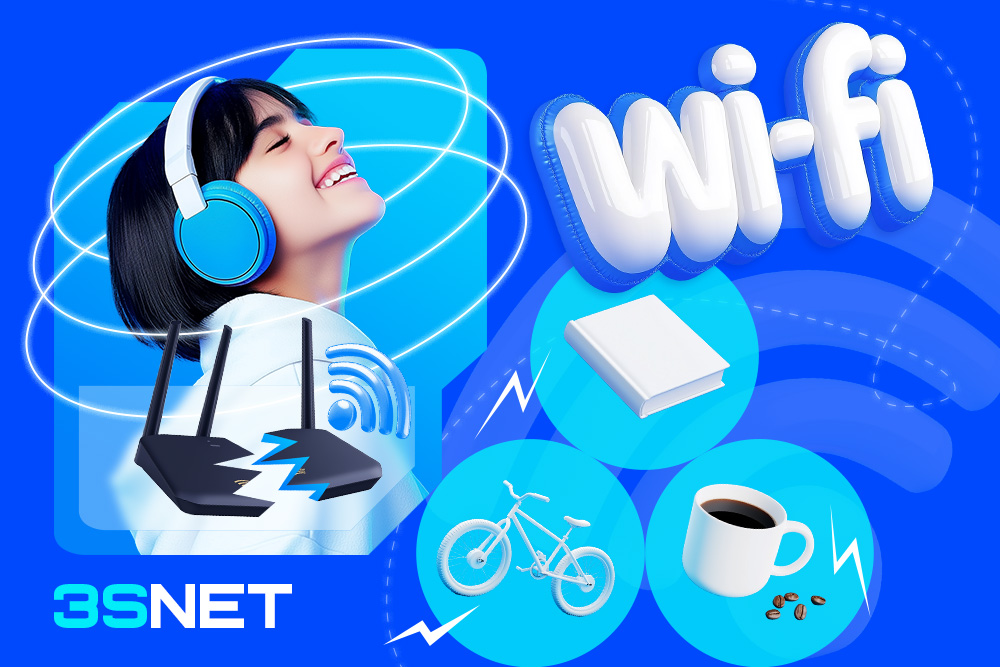
Wi-Fi (wireless internet access) is one of the key factors determining the quality of traffic in affiliate marketing — both mobile and desktop. For affiliates running gambling and betting offers, the user’s connection type (Wi-Fi vs. mobile data) is critically important. It affects landing page load speed, postback stability, and ultimately CR and ROI. You can read the fascinating history of Wi-Fi technology in a separate article on 3S.INFO.
Wi-Fi in Affiliate Marketing: How Connection Type Affects User Behavior and Conversion
- Wi-Fi (home, office, public): high speed and stability. Users are more likely to open heavy creatives, watch videos, and spend time exploring an offer. However, they may be more cautious with payments — requiring a longer warm-up. Landing pages with slot preview videos or "live" tournament tables perform well.
- Mobile data (4G/5G, less often 3G): users are "on the go" (transport, breaks, queues). They are more impulsive and more likely to take quick actions (registration, app installs). But they are highly sensitive to delays: +1 second of load time reduces conversion by 10–20%. For them, FCP (First Contentful Paint) and light page weight are top priorities.
How Connection Type Affects Technical Tracking and Fraud
IP switching between Wi-Fi and mobile data is a common cause of lost postbacks. When a user moves from the office (Wi-Fi) to home or switches to a mobile network, their session may break, and the affiliate program may not credit the deposit. The solution is proper tracker and postback configuration with retry logic.
Public Wi-Fi (cafés, malls, airports): higher risk of bots and fraud. What to do: in traffic sources (PropellerAds, ExoClick, RollerAds) use "exclude public Wi-Fi" targeting or manually analyze conversions from such IPs. It's also useful to set up a postback to a separate "fraud callback" for manual control.
Wi-Fi and GEO: Practical Takeaways for Affiliate Marketers
- Tier‑1 (Germany, Canada, Australia, Norway): high-quality broadband Wi-Fi and fast 4G/5G everywhere. You can use "heavy" creatives (HTML5 games, 15–30 second videos) without worrying about speed. Offers with live casino and full KYC registration work great.
- Tier‑2 (Poland, Romania, Czech Republic, Brazil): Wi-Fi penetration is high, but mobile internet quality can be unstable in some regions. Implement adaptive loading: if speed is low, show a simplified version of the landing page.
- Tier‑3 (India, Indonesia, Philippines, Nigeria): a significant portion of traffic comes through mobile data with limited plans and not very high speeds. Pre‑landers should not exceed 1–2 MB; be sure to use AMP or fast templates. Offers for push subscriptions and app installs (CPI) work well.
More detailed insights on traffic, payment systems, and conversion by country are covered in the "iGaming Market Reviews" section — from Asia and Africa to Latin America and Scandinavia.
How to Choose Infrastructure for Different Connection Types
Load speed is not just about creatives — it's also about servers. If your target audience is on slow mobile internet or restricted public Wi-Fi, host your landing pages on servers as close to the GEO as possible. A quality shared hosting with CDN will work, and for high loads, a dedicated VPS is the way to go.
Practical Example: How Wi-Fi vs. Mobile Data Changes ROI on One Offer
Take a hypothetical casino offer in Tier‑2 GEO (Poland) with a CPA payout of $150 per FTD. Testing two identical campaigns split by connection type gave the following results:
- Wi-Fi campaign: click → FTD CR = 3.2%, cost per FTD = $25, ROI = 500%.
- Mobile data (4G) campaign: CR = 2.1%, cost per FTD = $38, ROI = 294%.
Conclusion: both segments are profitable, but ROI on Wi-Fi is significantly higher due to better retention and fewer technical losses. Therefore, split your campaigns during the testing phase and scale "warm" Wi-Fi traffic first.
Connection Type and Ad Sources: What to Choose
Different traffic sources produce different Wi-Fi / mobile data splits:
- Push notifications & popunders: almost always work through the user's browser — connection type can be anything, but during daytime hours mobile data is more common.
- Facebook / Instagram Ads*: on the mobile version of these social networks, the share of mobile traffic is very high (up to 90%+ in some GEOs). Creatives must be extremely lightweight.
- Telegram traffic (bots, channels): often "sits" on Wi-Fi in the evening, resulting in higher deposit CR.
Takeaway for affiliates: if you're running push or pop traffic — expect more mobile data during the day, adapt creatives for small screens and slower internet. For Telegram traffic, schedule campaigns for evening hours and use heavier, warmer landing pages.
Summary for Affiliate Marketers: What to Do With Wi-Fi Insights
To get the most out of connection type data, always test the same creatives and landing pages separately on Wi-Fi and mobile data — you will almost certainly see a difference in KPIs. For "heavy" verticals (casino, live betting) with a lot of video and graphics, it is better to target Wi-Fi audiences. For fast installs and push subscriptions, mobile data works even better but requires extremely fast load times. And don't forget the technical side: proper postbacks, servers close to the GEO, and adaptive landing pages.
The same principles apply to desktop traffic — always segment campaigns by connection type, regardless of device.
Where to find offers for testing your hypotheses? The 3SNET best offers catalog contains proven iGaming campaigns with different payout models. If you haven't registered yet, you can complete a quick registration in 2 minutes. The full list of affiliate programs is available on the Affiliate Programs page.
*Facebook and Instagram are owned by Meta, which has been designated as an extremist organization in Russia. These services are blocked on the territory of the Russian Federation by court decision.